When Community Exists… Until It Doesn’t
By CSShride – <Article Source>
For nearly fifteen years, I’ve lived in the same neighborhood.
I know at least 150 people by name. I know their dogs’ names too. I recognize routines—who walks early, who comes out just before sunset, who lingers for conversation and who is always on the move. Our daily dog walks have been the connective tissue of my neighborhood life: familiar faces, friendly check-ins, small updates about weather, work, kids, travel, aging parents.
It felt like community.
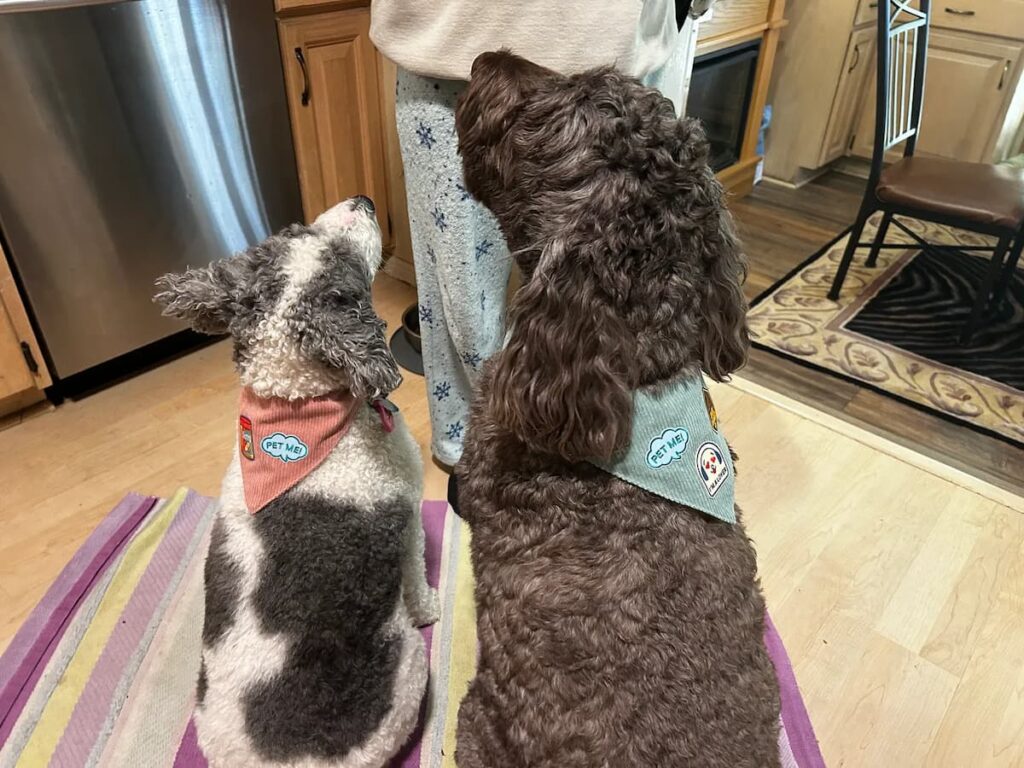
Two months ago, my big, 85 pound, 4-year-old doodle dog had foot surgery. For weeks, we didn’t walk. We weren’t part of the daily rhythm. We disappeared from the sidewalks entirely.

Not one person said anything.
No “Hey, we haven’t seen you in a while.”
No “Is everything okay?”
No casual “How’s your pup doing?”
I don’t share this with bitterness. I share it with clarity—because that quiet absence revealed something I’ve felt for a long time but hadn’t fully named.
In many traditional suburban neighborhoods, community exists only as long as routine does.
The Hidden Cost of Convenience
Here’s the part that frustrates me most: building connection in the suburban model takes so much effort. You have to initiate. You have to coordinate. You have to overcome physical distance, closed doors, busy schedules, and homes designed for privacy rather than presence.
And even when you do all of that—when you know people’s names, their habits, their dogs—those connections can still vanish the moment the routine breaks.
There’s no shared structure to hold us when life shifts.
What I’ve noticed instead is the natural formation of small, siloed circles. Families with young children find each other. They celebrate birthdays together, host backyard BBQs, gather for holidays and game days. It makes perfect sense. Shared life stages create gravitational pull.
I have warm relationships with many of these neighbors. We chat. We laugh. We care.
But my adult daughter and I are never invited.
Again—this isn’t resentment. It’s realism. No one is doing anything wrong. They’re responding to a system that quietly organizes us by age, stage, and perceived similarity.
My older neighbors, meanwhile, often have their social lives elsewhere—grown children, long-standing friendships, commitments beyond the neighborhood. There’s kindness, but little overlap.
So here we all are. Friendly. Familiar. And largely alone.
Designed for Independence, Not Interdependence
Most neighborhoods are designed for independence, not interdependence.
Homes turn inward. Garages dominate front facades. Backyards replace shared outdoor space. Daily life happens behind closed doors. Connection becomes optional. Support becomes accidental.
And when something small but meaningful happens—like not being seen for weeks—there’s nothing in the design that prompts curiosity or care. No shared meals. No common spaces. No built-in expectation that we notice one another.
Just parallel lives passing on the sidewalk.
This isn’t a failure of people. It’s a failure of design.
What I’m Longing For Instead
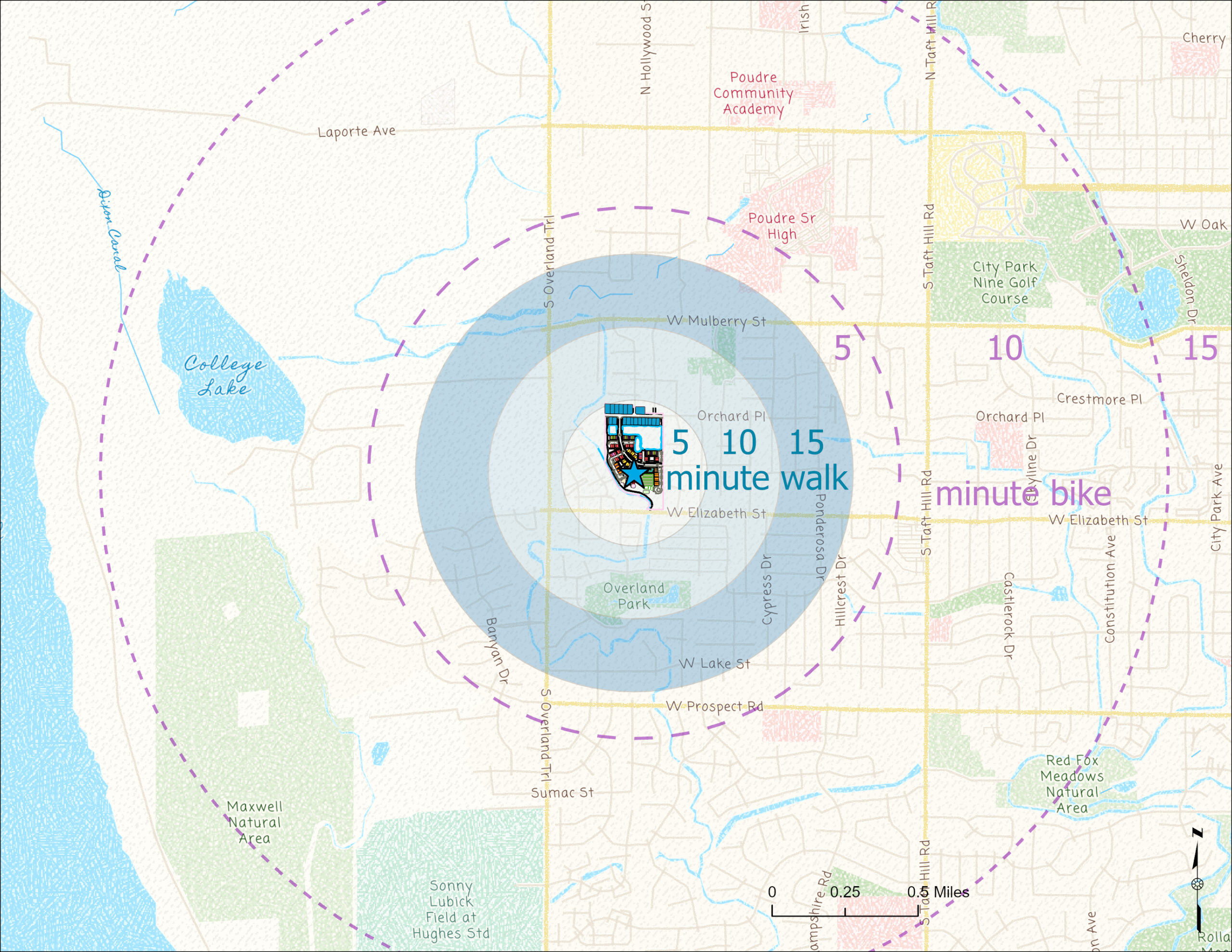
This is why I’m building—and deeply longing for—Gratitude Village.
Not because I want constant togetherness.
Not because I expect everyone to be my best friend.
Not because I think community should be effortless.
But because I want to live in a place where interaction is made easier—and support is normalized.
In cohousing, community doesn’t rely on perfect personalities or heroic social effort. It’s supported by design: homes oriented toward shared pathways, a common house that naturally draws people together, regular shared meals, and a culture that gently encourages mutual care.
It’s not about intrusion. It’s about awareness.
When someone hasn’t been around, it’s noticed—not because anyone is keeping score, but because life is shared just enough for presence to matter.
The Power of Being Noticed
I don’t need neighbors to fix my problems. I don’t need constant check-ins or emotional labor from others.
But I do want to live in a place where absence is noticed.
Where someone might say, “Hey, we haven’t seen you lately—everything okay?”
Where support doesn’t require a crisis.
Where belonging isn’t dependent on age, family structure, or life stage.
I want a community that holds when routine breaks.
That’s the difference thoughtful design makes. Traditional neighborhoods ask us to build connection on top of systems that quietly undermine it. Cohousing flips that script and says: let’s design for relationship, and let the rest follow.
Coming Home to Something Different
After fifteen years of doing my best within a model that was never designed to hold us—this feels like coming home.
Gratitude Village isn’t about nostalgia or idealism. It’s about responding honestly to the way many of us are living now: more connected digitally, yet more isolated emotionally. More neighbors than ever, yet fewer people who truly notice us.
I’m ready for a community where presence matters. Where support is woven into daily life. Where we don’t disappear the moment routine does.
And that quiet realization—sparked by a dog’s surgery and an empty sidewalk—has only strengthened my belief that we can do better.
Not by trying harder.
But by designing differently